
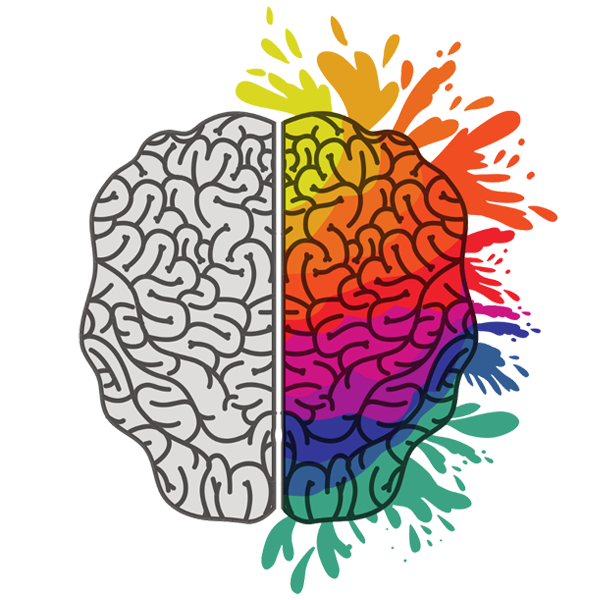
The personality trait known as alexithymia is defined by an inability to recognize and articulate one's own feelings. Higher levels of alexithymia may make it challenging for a person to recognize and understand the emotions of others.
The term, which was derived from Greek and originally used by Peter Sifneos in 1972, means "No words for emotions." People who have a silent soul. It doesn't imply that they are emotionless; it just means that their feelings are unnamed. "SOUL WITHOUT WORD" is what someone says when their soul wants to convey something but cannot form the words.
People with alexithymia have difficulties in their interpersonal relationships, according to several researchers. It is comparable to speaking a language that the other person cannot understand. They want their family or loved ones to understand them, but they may find it difficult to communicate their feelings, which can strain their relationships. Some people are unsure of what to do when a loved one passes away. They are sad yet are unsure of how to express it. The society views them as odd, emotionless individuals. But their soul is devouring them from the inside out.
Emotions can also be a mystery. The entire body system is under the control of our brain. Pain, joy, despair, melancholy, and all other emotions are within the control of the mind. A dopamine rush produces a sense of pleasure, and when you feel cheerful, serotonin has likely improved your disposition. Endorphins make your stress blow away. When love makes you feel like you're being intoxicated, oxytocin is working as it should. These hormones serve as the basis for emotion. Our emotions flip the opposite when these hormones are low. We could feel depressed, lost, anxious, or unlovable. Alexithymia patients experience all of this, but they are unable to pick.
We need to work toward understanding them rather than dismissing them as strange. Even though we are the closest, they might not talk to us. Despite the fact that we're the person they adore, they might not express it. The healing process takes time. Before they speak, they need time to separate their feelings. So their healing might come from developing a deep trust.
Although necessary, emotions can also be dangerous.